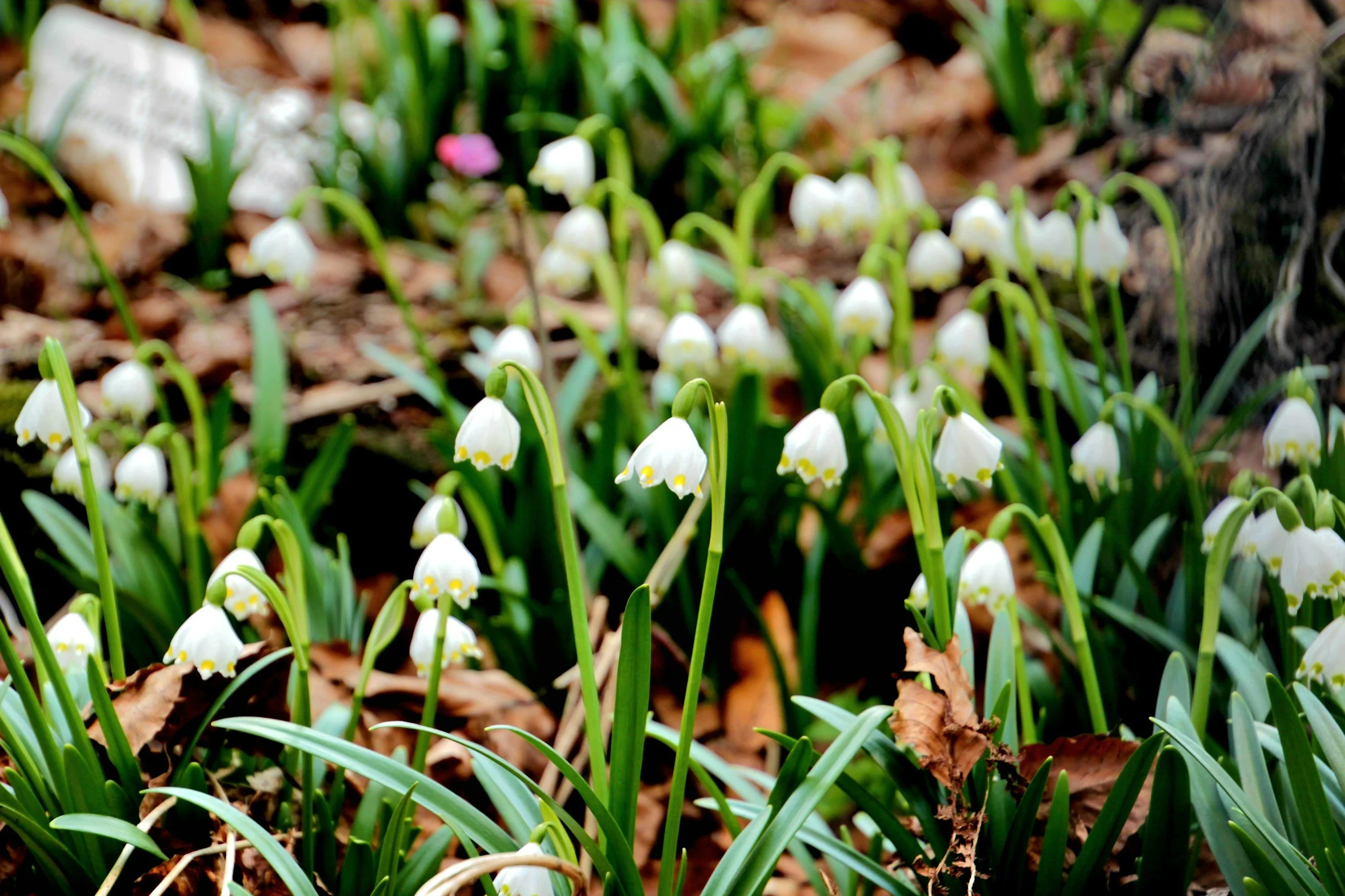
Will it ever stop raining?!
Here in the UK it has rained EVERY. SINGLE. DAY of 2026! And then some! That means we have had 51 days or rain since December 31st 2025 to today! So we can be forgiven now for raising our heads to the sky and screaming at the clouds and asking “Will it ever stop raining?!”
Our garden is waterlogged. We can’t walk anywhere on the grass without our boots squelching and sliding in the mud. Every time I make the short trek to the compost bay, I’m noticing more and more water on the grass. Puddles forming, water running off the grass into the stream, and cat paw prints along the little muddy path they have carved out through the middle of the bog. But we are lucky. A lot of people on the edge of our village have had flood water invade their homes, the railway has flooded several times pausing travel and commuting, and our village has almost been cut of on several occasions after the roads flooded and the river burst its banks. Devon and Somerset have been hit badly by the floods and so many people have had to leave their homes as water seeps in and swamps their land and their houses.
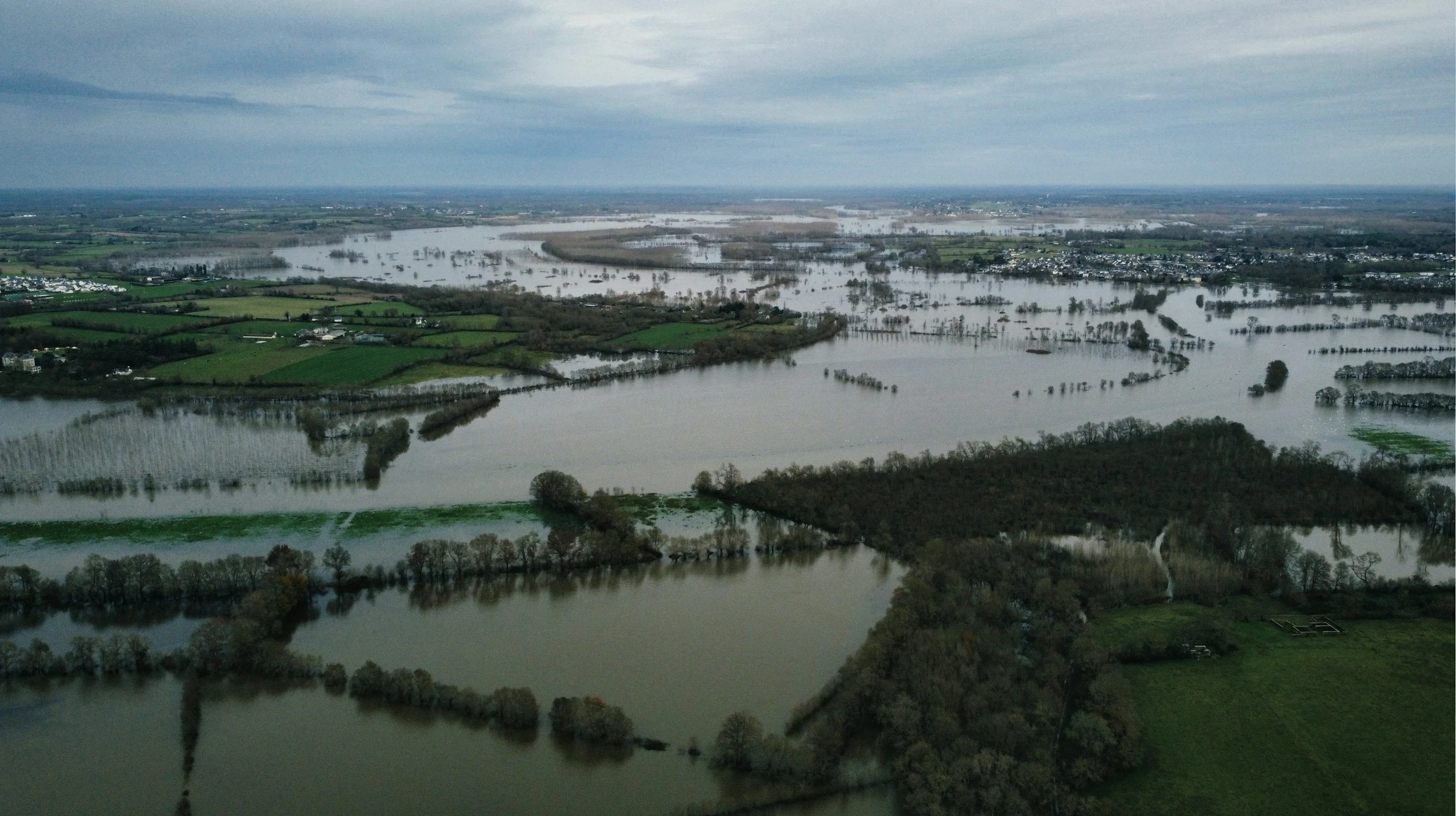
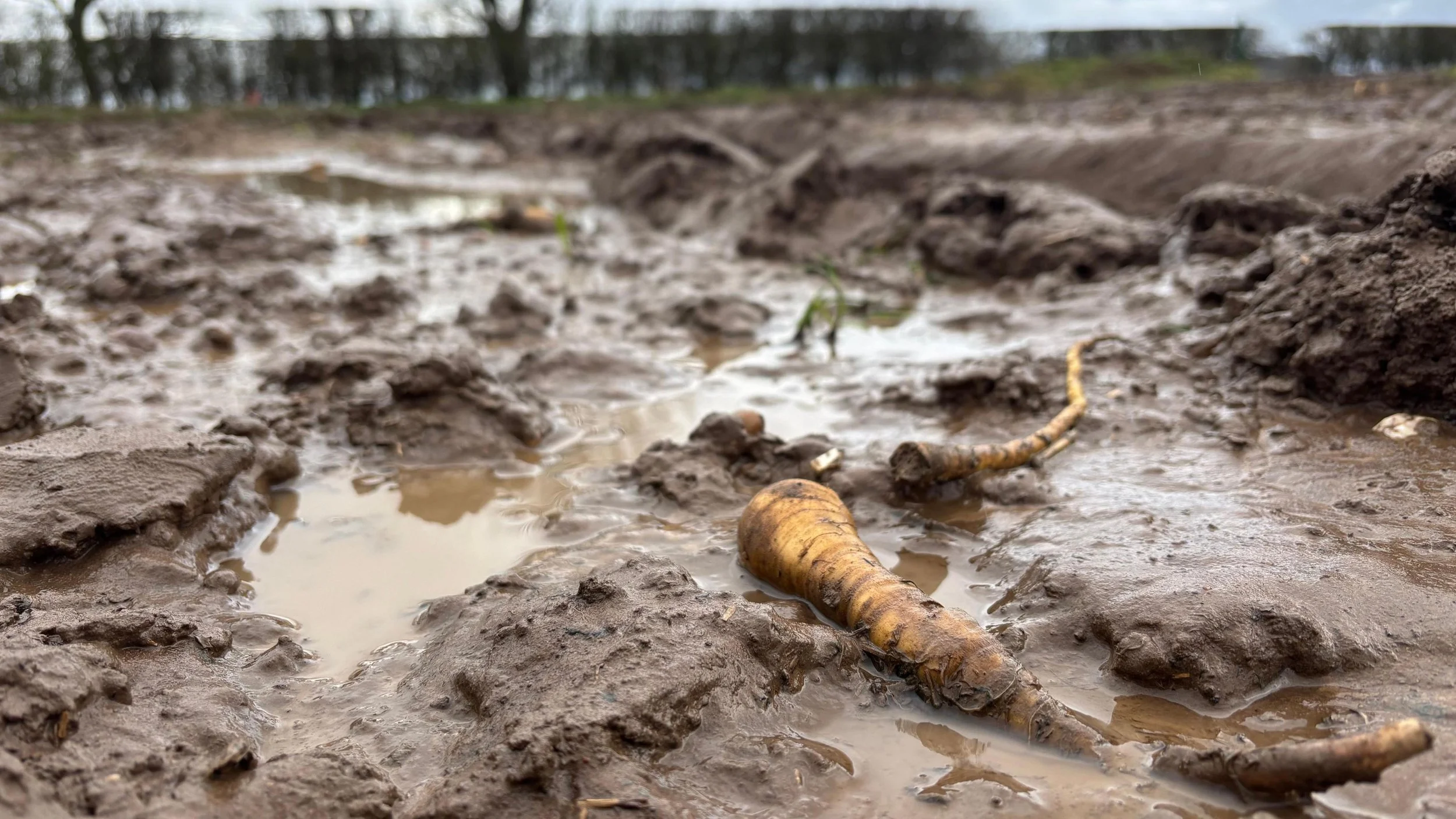
The persistent rainfall is severely impacting growers and farmers. Farmers are having to move livestock to higher ground, or inside. Flooded fields have led to swathes of crops rotting or being washed away, costing farmers and growers thousands of pounds and halting field work. Potatoes, carrots, parsnips, cereal crops - all lost to the water. Water logged fields and eroded soil are destroying soil structure and the long term soil fertility and vital seasonal field work and crop planting has come to a grinding halt as fields become impassable. But what does this all mean for farmers and growers?
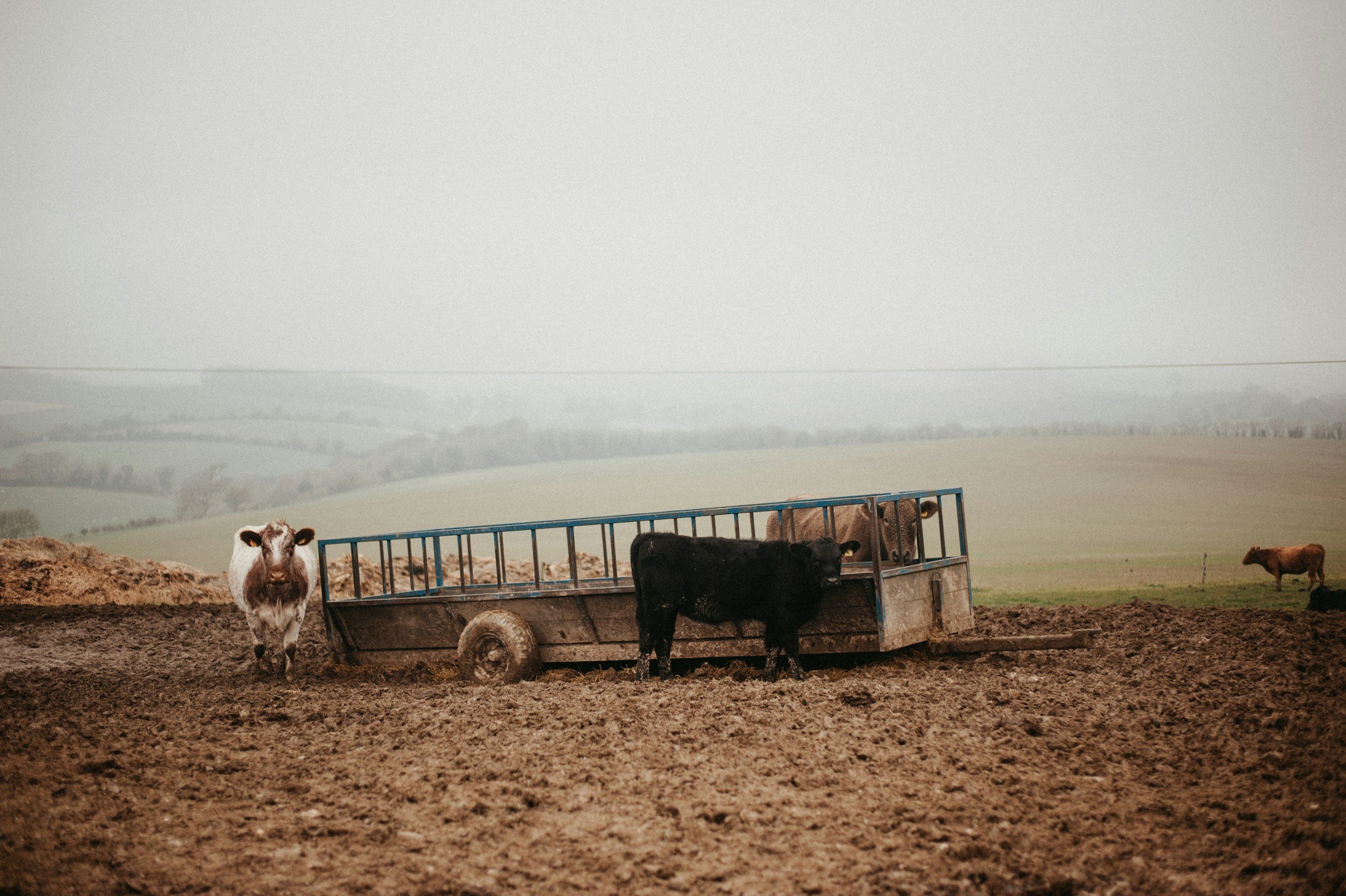
The destruction of crops and reduced yields is estimated to be costing farmer around £500 per hectare and in the current farming income crisis, this could be catastrophic for farmers and their livelihoods. With spring planting delayed and winter crops gone, it is likely that as a nation we will become more reliant on food imports, driving up consumer prices and impacting our food security. For farmers having to move their animals inside or to neighbouring farms, the added cost of feeding their animals and providing bedding etc is creating increased financial strain on families and farming communities who are already struggling.
Climate change is real, we are living it right now.
But in the flood waters and the grey clouds, there are bright glimmers of hope - communities coming together to help each other, farmers offering space to their neighbours who need to move livestock, neighbours banding together to push back flood waters and protect homes.
And in the midst of all the greyness, spring flowers have started to poke their heads above ground and bloom, bringing much needed colour to the lifeless, dark days that we have been enduring! Daffodils line the roadsides and snow drops carpet the woodlands. In my garden, iris, pansies and violas are splashing the beds and pots with vibrant purples and pinks, bringing glimmers of hope and the promise that spring is coming every time I look out of the window. The reminder that the rain will (hopefully!) stop and our gardens will grow again. Nature is so resilient, it takes a battering but almost always bounces back. Something we can learn from.